
Backlighting a Game Boy Pocket with a burnt polarizer
After the good experience I had with the Japanese Game Boy games from Japan 4 You I decided to pickup some cheap Game Boy Pockets. They list a lot of items as ‘not working’ or ‘read item condition’ for a low price. I’m not really interested in buying perfectly fine and new hand helds, I want to fix something, so I went for three listed as ‘not working’ and one as ‘read item condition’ but with an obvious burnt front polarizer. I paid about 70 euro for the 4 Pockets, which includes 20 euro import duties for The Netherlands. It’s not exactly cheap, but I guess it’s decent.
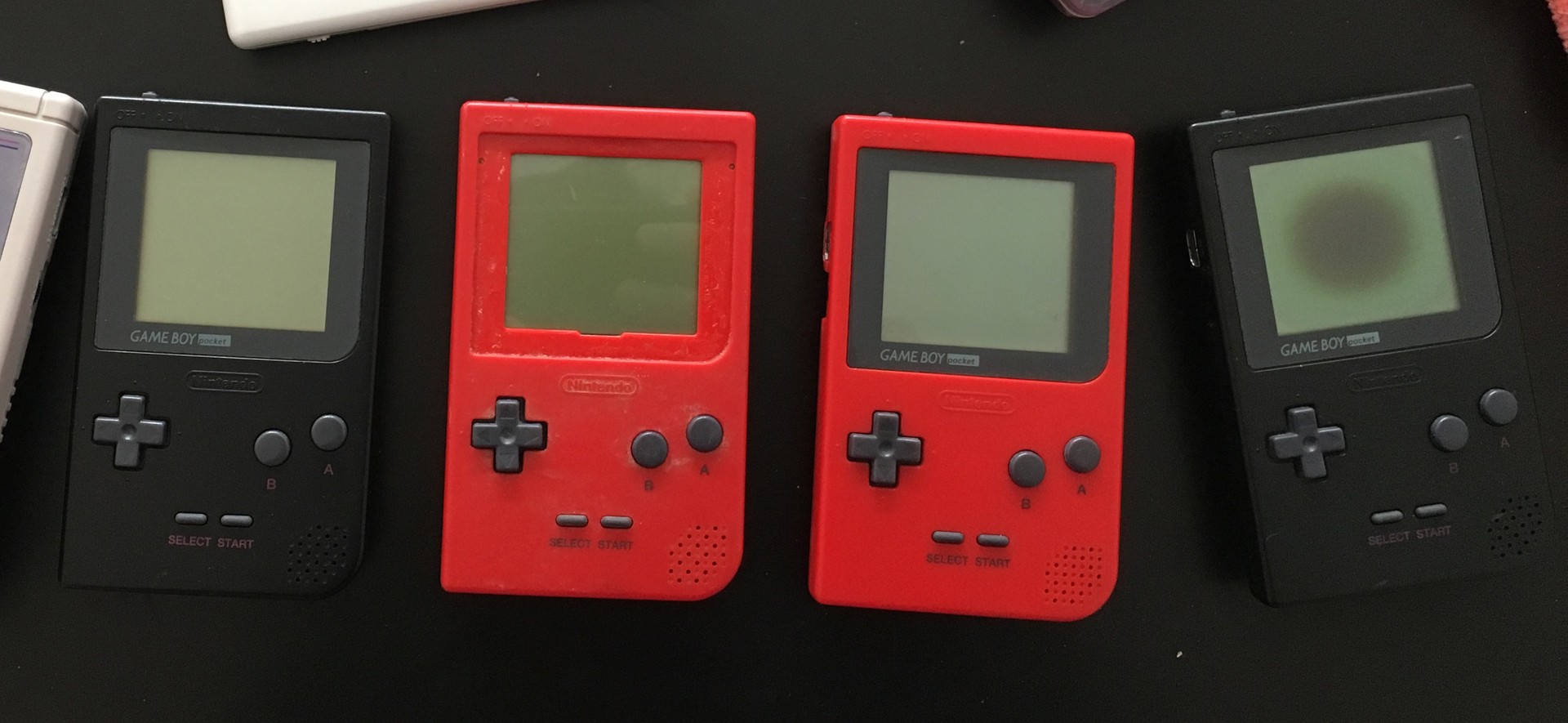
When they came in I did a first inspection. There were some easy to spot corroded contacts. The removable contacts can easily be cleaned by dropping them in a bit of vinegar but the contacts are harder to clean. I used an old toothbrush and carefully cleaned most of it. I gave the cases a good clean in a soapy water and let them dry. I managed to get three out of four Pockets working again! I had to solder one speaker to another board and all four of the screens work. The last board just seems dead although I haven’t tried it with a power adapter yet because I don’t have one that fits.
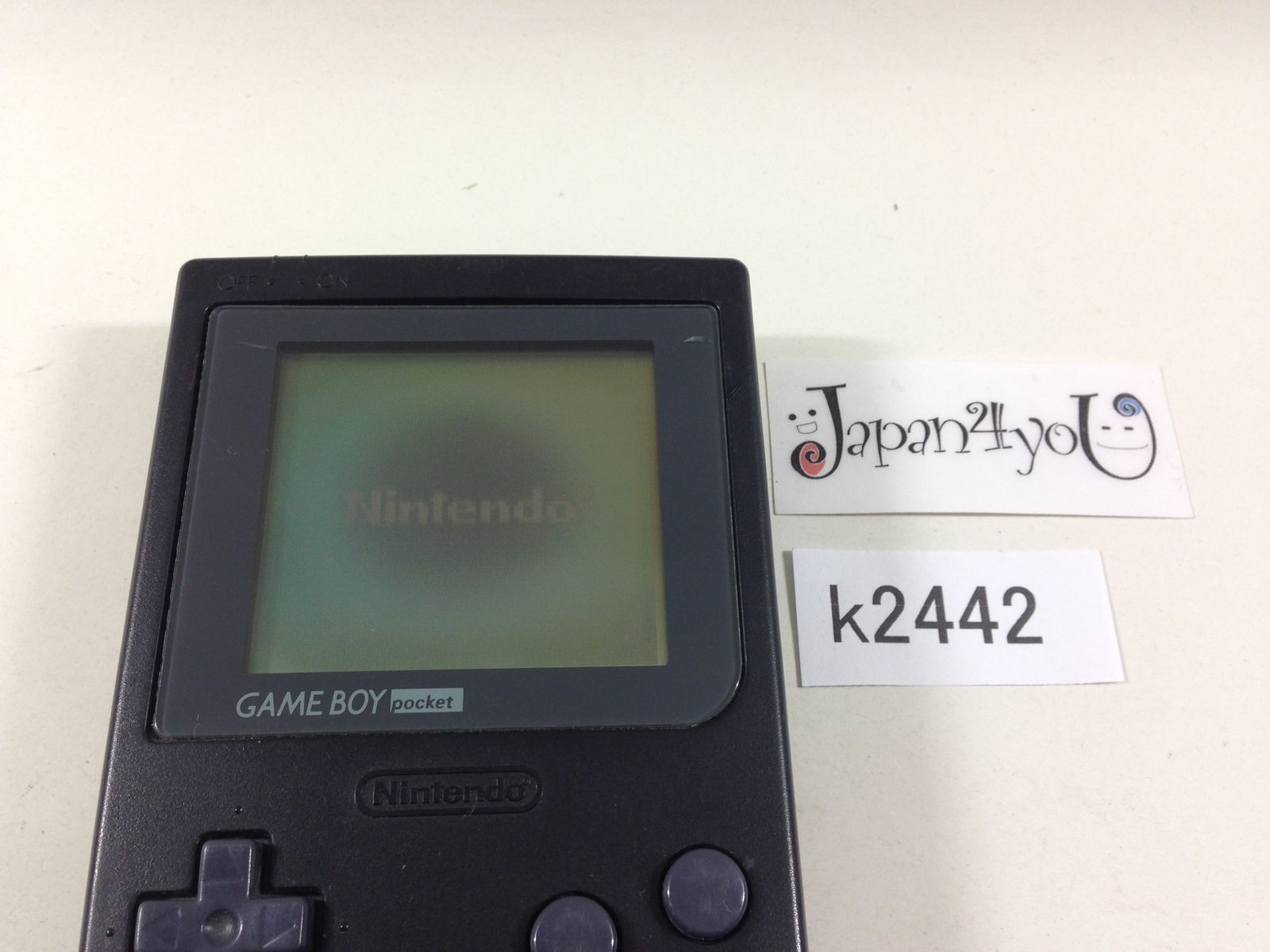
The thing I was looking forward to the most was fixing and backlighting the burnt screen. The screens have two polarizers, one attached to the front and one attached to the back together with a reflective layer. The big black circle is a sign of a burnt front polarizer. For this project I had to remove both… Removing the back polarizer is basically the same as on the DMG, but with even less space to work with. It’s really tight and you have to be very, very carefull. I had some residue left so I spent a lot of time rubbing and cleaning. The front polarizer was even worse! The burnt area leaves a thick crusty glue residue which is particularly hard to remove. I start with regular alcohol but went on to use turpentine, not sure if it was smart but it seemed to help. Also wrapping an old credit card in cleaning tissues helps scrape off everything. This whole process was really frustrating and I’m not sure if I would do it again.
For this backlighting project I ordered backlight panels directly from the factory in China. I was hoping to get a good deal if I bought 10 pieces, but they were not impressed. For 10 units including shipping and import duties I paid about 90 euro, which is ok, but probably not worth the hassle. If you were to order 100 pieces, the price per unit would come down considerably but I have no need for that, yet. It was fun trying to find the source and order in (mini) bulk!
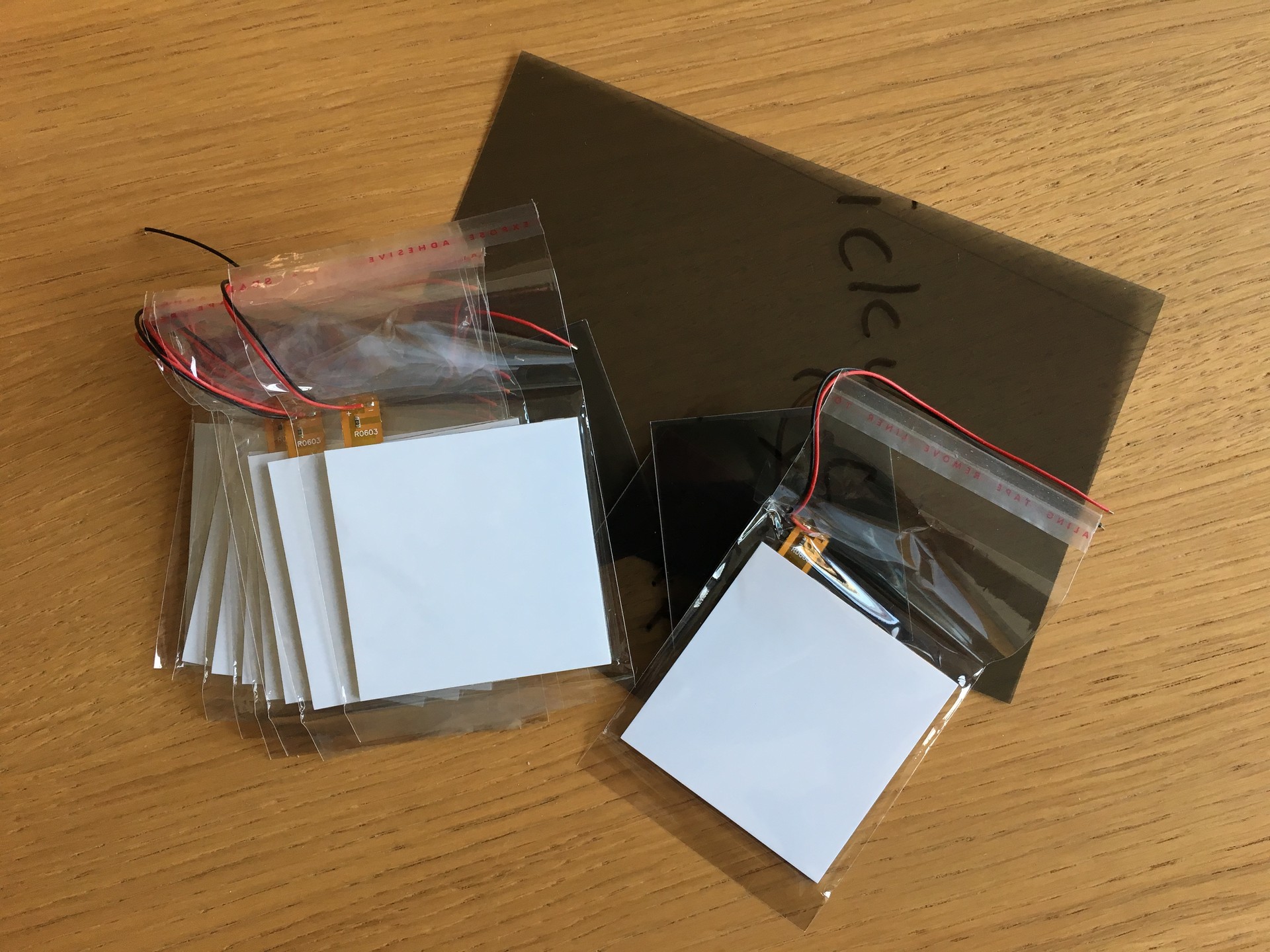
In my cost cutting plan I also used sheets of polarizer film that were meant for iPad and Galaxy S6 phones, I just wanted to see if it would work. They were cheap but I had to cut them down to the correct size. They were adhesive, which can be tricky. You have to be really carefully when applying the film to not get air bubbles, get the orientation and alignment correct. I had to start over a few times!
When searching for the correct solder points I found quite a few different suggestions and people saying that you should use different ones. One blog seemed pretty confident so that’s the one I followed.
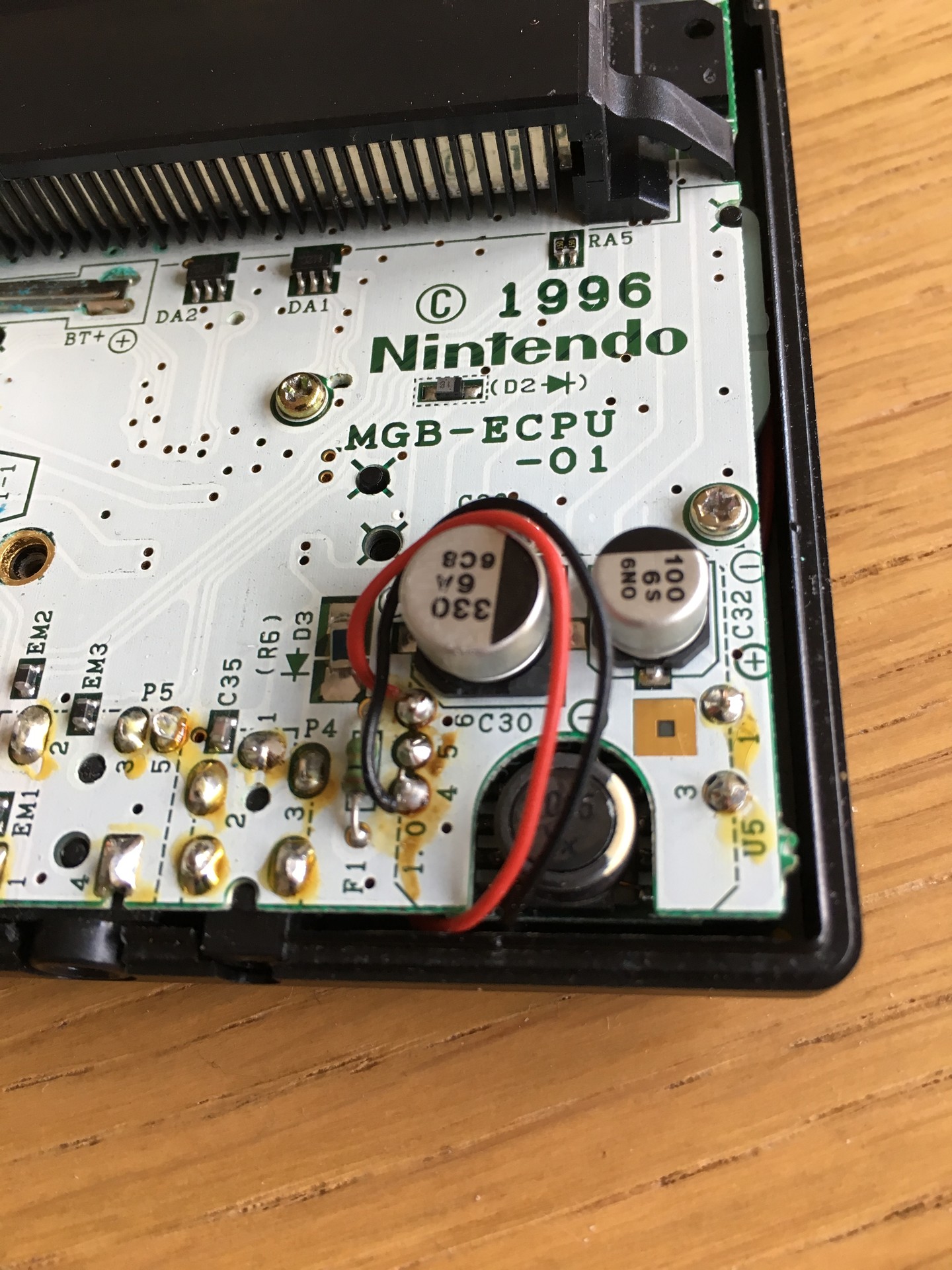
This mod was the trickiest one for me yet for many reasons. I bought ‘broken’ Game Boy Pockets from Japan, I never removed the front or back polarizer for a Game Boy Pocket, I ordered backlight panels from China and I used cheap polarizers meant for cellphones. Removing the polarizers and cleaning all the gunk was especially scary. In fact, I was so focused that I forgot to take any pictures of the process.
The Game Boy Pocket is really small and light, which is good when you want to carry it around but not so good for extended gaming sessions. The Pocket is powered by 2 AAA batteries which have less capacity than AA, resulting in less playing time. The viewing angle of my ‘fixed’ console is a little bit off, resulting in a less than perfect contrast. I’m thinking it has to do with the polarizer filters I used, maybe the result would be better if you only replace the back polarizer. It’s decent, but not perfect.
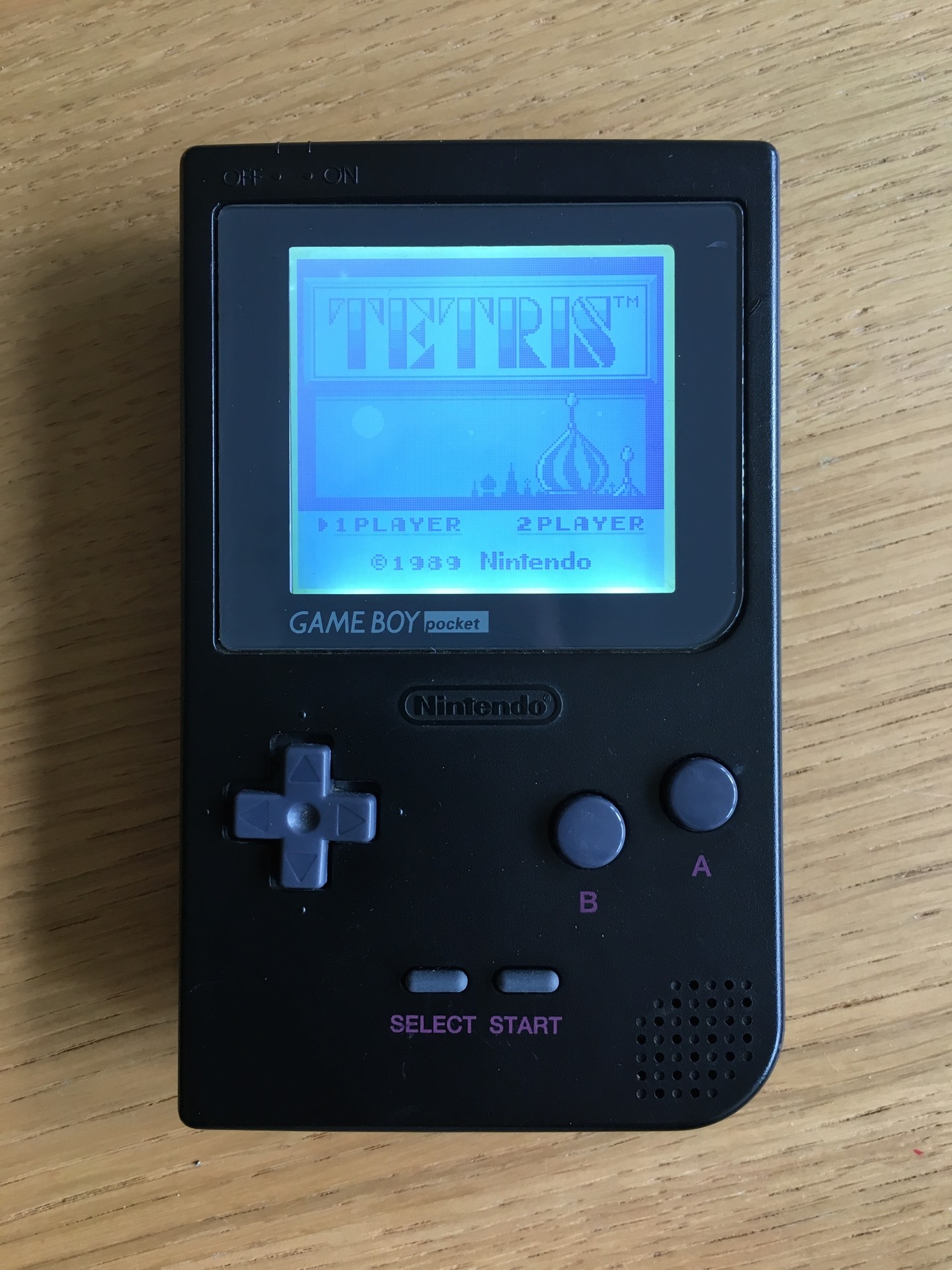
All in all the Pocket is a really nice hand held, great for a quick game on the go, but for serious gaming I still prefer the DMG.